Step into Madagascar’s lush eastern wonders.
Rainforests, lemurs, and extraordinary biodiversity await you at every turn.
Andasibe Mantadia
A rainforest for wildlife lovers
Andasibe–Mantadia National Park: A Portal to Madagascar’s Unique Fauna,
Andasibe–Mantadia National Park is one of Madagascar’s most accessible and biologically rich protected areas, located only a few hours from the capital. With a very high level of endemism in its flora and fauna, Andasibe–Mantadia National Park is a great destination for nature lovers.
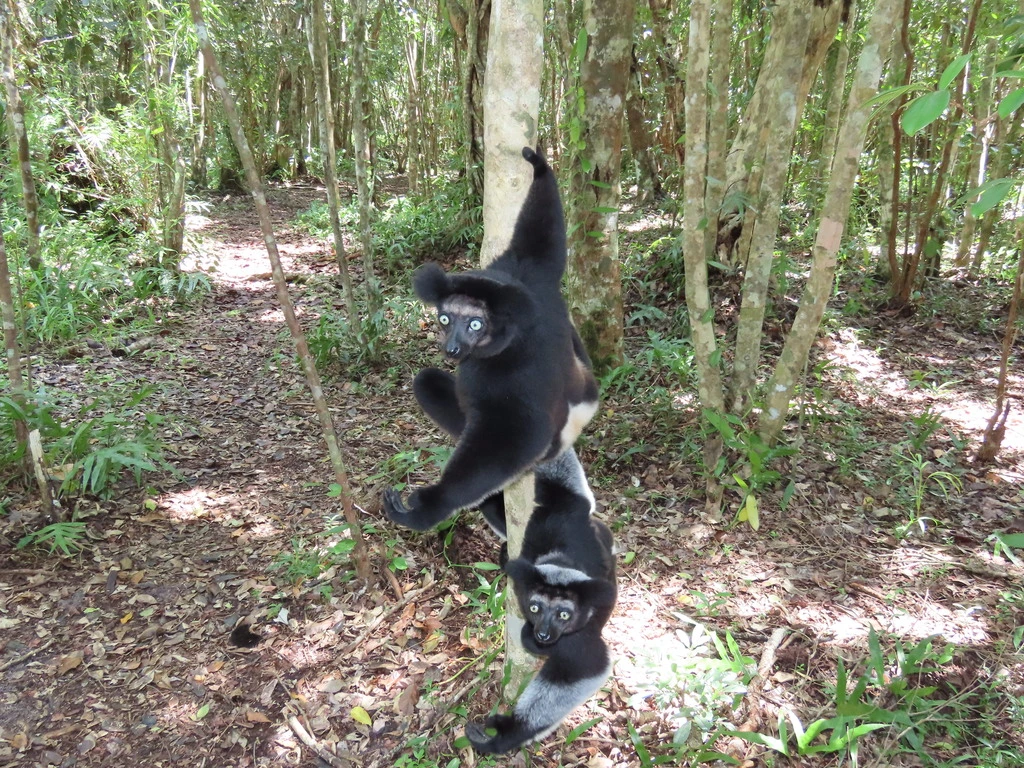
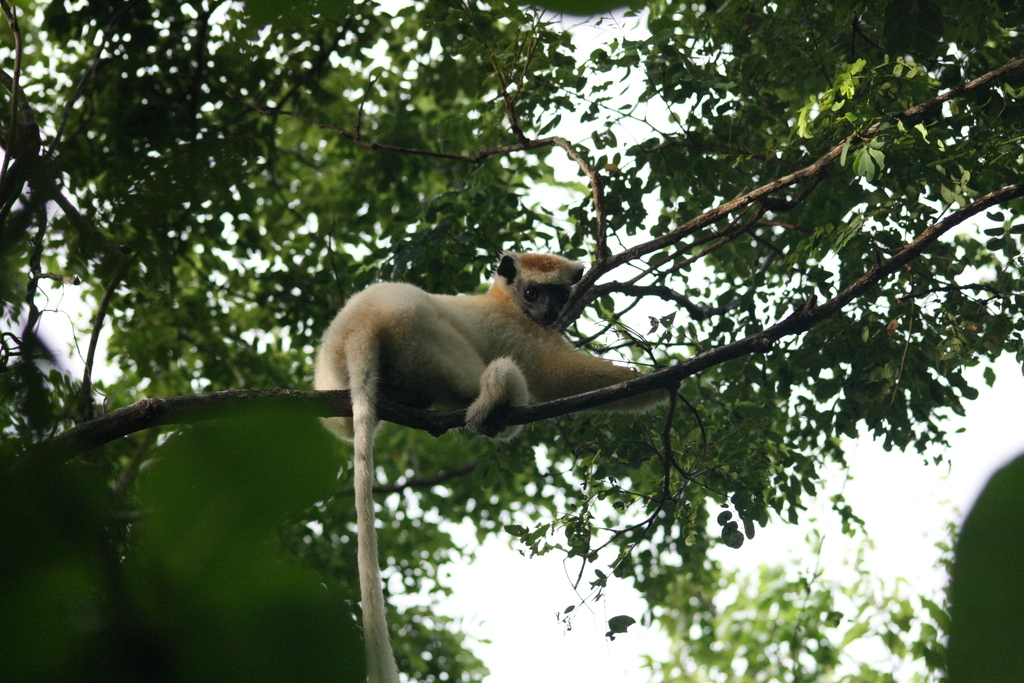
The Indri is the most famous of all lemurs found in Madagascar and has an eerie call that can be heard echoing from the forest canopy of both Analamazaotra (Perinet) and Mantadia.
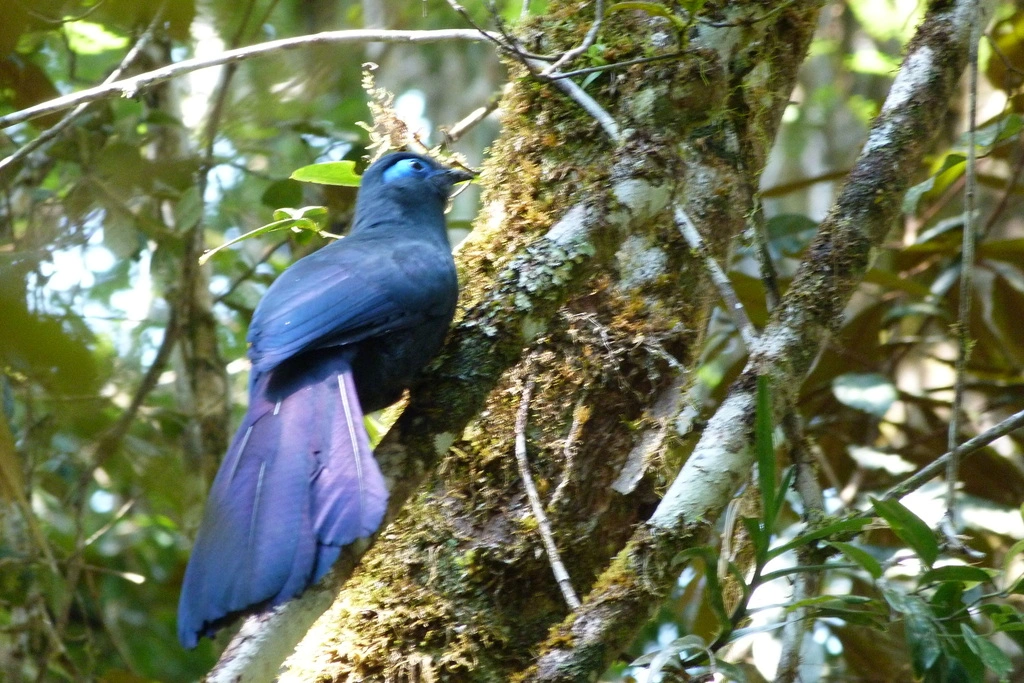
The park is also a paradise for bird watchers who will likely begin their quest for Madagascar’s endemic birds, including ground-rollers, vangas and asities. In season, there will be a profusion of reptiles, amphibians, butterflies and moths.
Analamazaotra brings you into the more easily accessible secondary forest while Mantadia takes you to the dense, primary rainforest. This diversity in the natural environment, and the ease of getting to it from Antananarivo makes the area a beautiful, natural wonder.
Palmarium
Quiet, Remote, peaceful
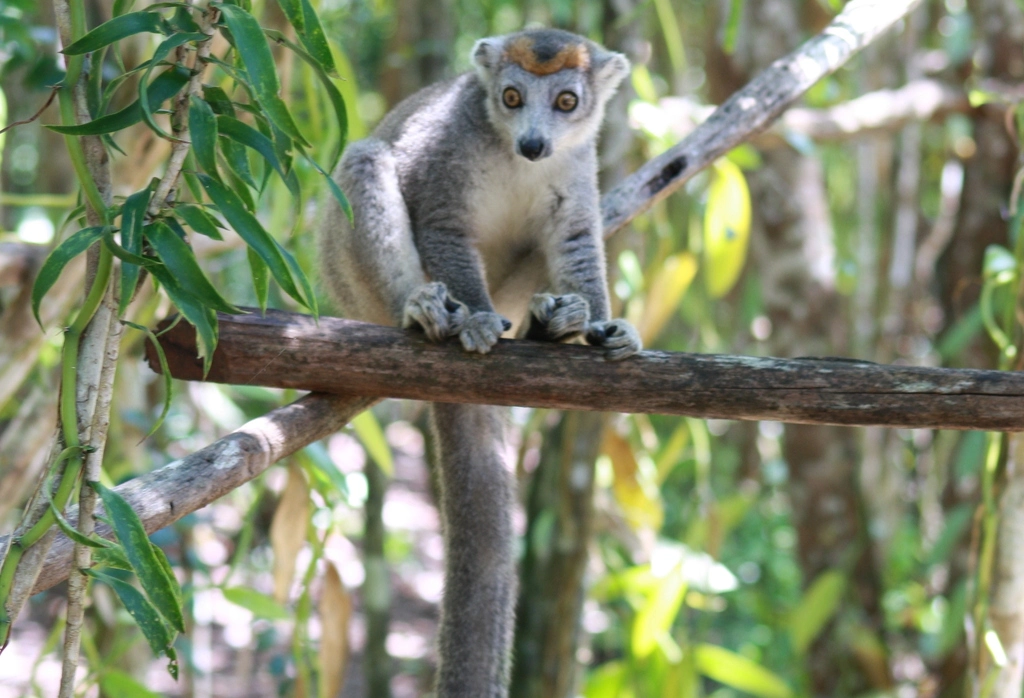
A Fairytale of Madagascar’s Wildlife, Palmarium, situated in Ankanin’ny Nofy, or « Nest of Dreams »; is a perfect getaway to enjoy the great beauty of Madagascar nature. This Private Reserve is well known for its amazing Lemur experiences, where you get to meet these inquisitive creatures up close and personal in an unforgettable location. Simply being at the Palmarium and with Lemurs is not enough, so you will set off to a nearby island to see the oft-sought after, elusive, Aye-aye, which is Madagascar’s most mysterious nocturnal Lemur.
Read more
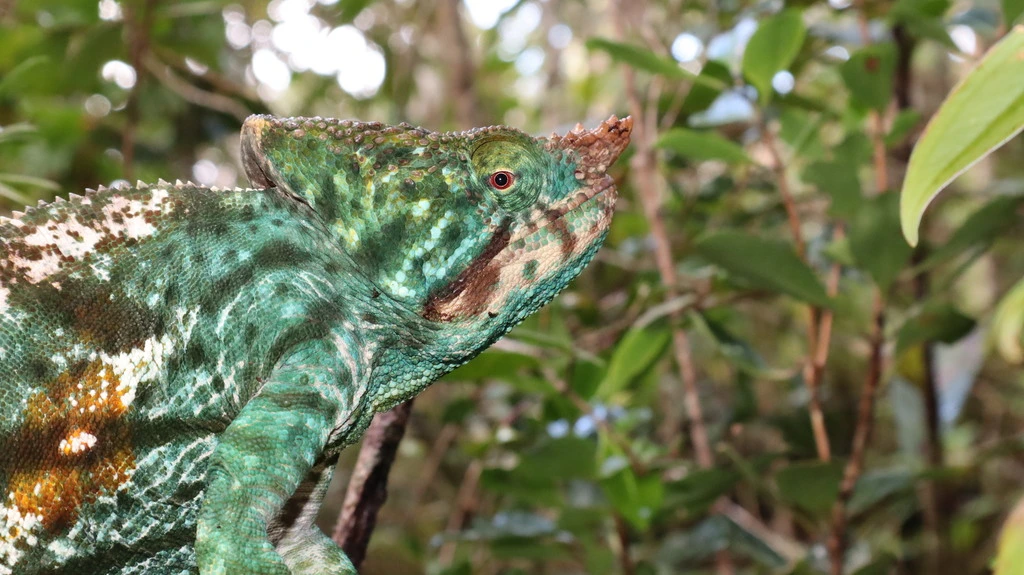
You might see Dwarf Lemurs in the reserve as well. In addition to Lemurs, the Palmarium includes both Chameleons and Snakes (not too close, we hope!), Frogs, and one of the rare places that you can see the carnivorous plant – Nepenthes madagascariensis. Getting to Palmarium is also an adventure as it is only accessible by boat, from either Manambato, a village down by Lake Rasoabe, or Tamatave via the Pangalanes Canal. It’s worth taking a boat ride just for the scenery you will see along the way!
Masoala and Nosy Mangabe
A Rainforest Kingdom of Biodiversity
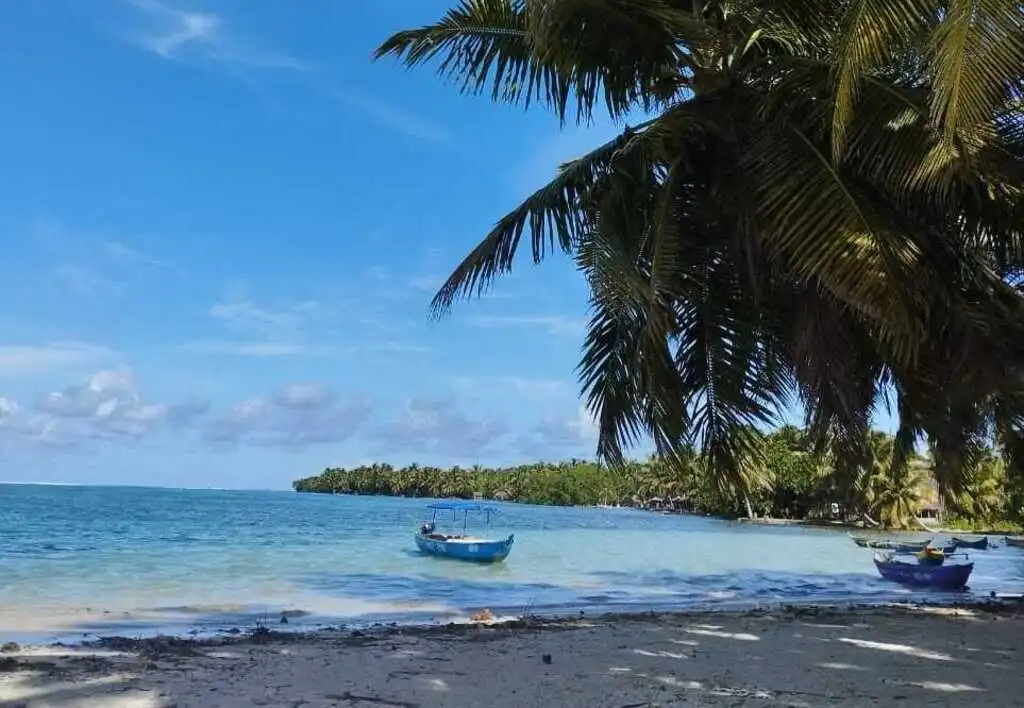
A Rainforest Kingdom of Biodiversity, Masoala National Park, a UNESCO World Heritage Site, is one of the most spectacular and untouched tropical rainforest ecosystems in Madagascar. The National Park extends from the coastal sandy beaches, into the hills, along one of Madagascar’s wettest and thus most lush rainforests. With an ecological transition stretching from sea level to several hundred metres, this region of Madagascar supports a wide variety of plants and animal life.
Read more
The vast lowland evergreen area comprises littoral rainforest, mid-altitude evergreen forest and a beautiful tantalizing diversity of wildlife. It is home to 11 Lemur species including the endemic and charismatic Red Ruffed Lemur, 16 species of Bats, and a diverse array of endemic Birds including the Helmet Vanga – an increasingly sought-after avian sighting among bird watchers. Just across the bay from Masoala, an island reserve that complements the park in every way, is Nosy Mangabe. This moist evergreen forested island is alive with Lemurs-5 species, 20 Reptiles, 19 Amphibians, 52 Birds, as well as Bats and small Mammals. The experience starts at sea level, and trekking through the forest on this island gives you opportunities to see species in their natural habitat without having to carry a pack. Masoala and Nosy Mangabe represent one of Madagascar’s richest and most fulfilling wilderness experiences, and they will appeal to nature lovers, researchers, or the simply adventurers.
Step Into Madagascar’s Lushest Wilderness.
Tropical Rainforests
Explore lush rainforests rich in spectacular biodiversity.
Exceptional Wildlife
Encounter Indri, rare lemurs, birds, reptiles and amphibians.
Immersive Nature
Experience pristine forests, reserves and remote coastal wilderness.