Discover Madagascar’s wild southern soul.
Canyons, dry forests and striking natural beauty.
Isalo
A land of canyons, sandstone and ancient traditions
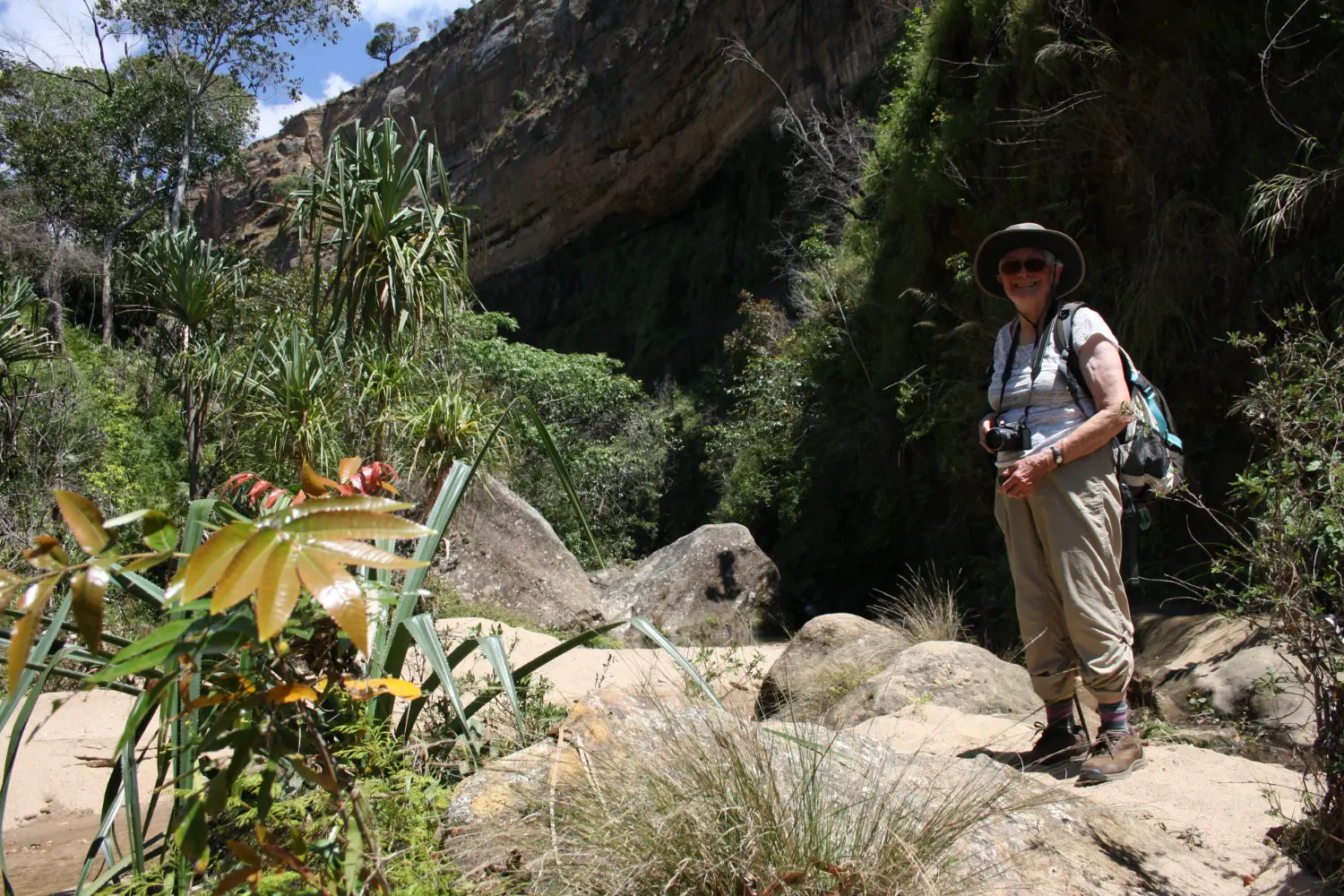
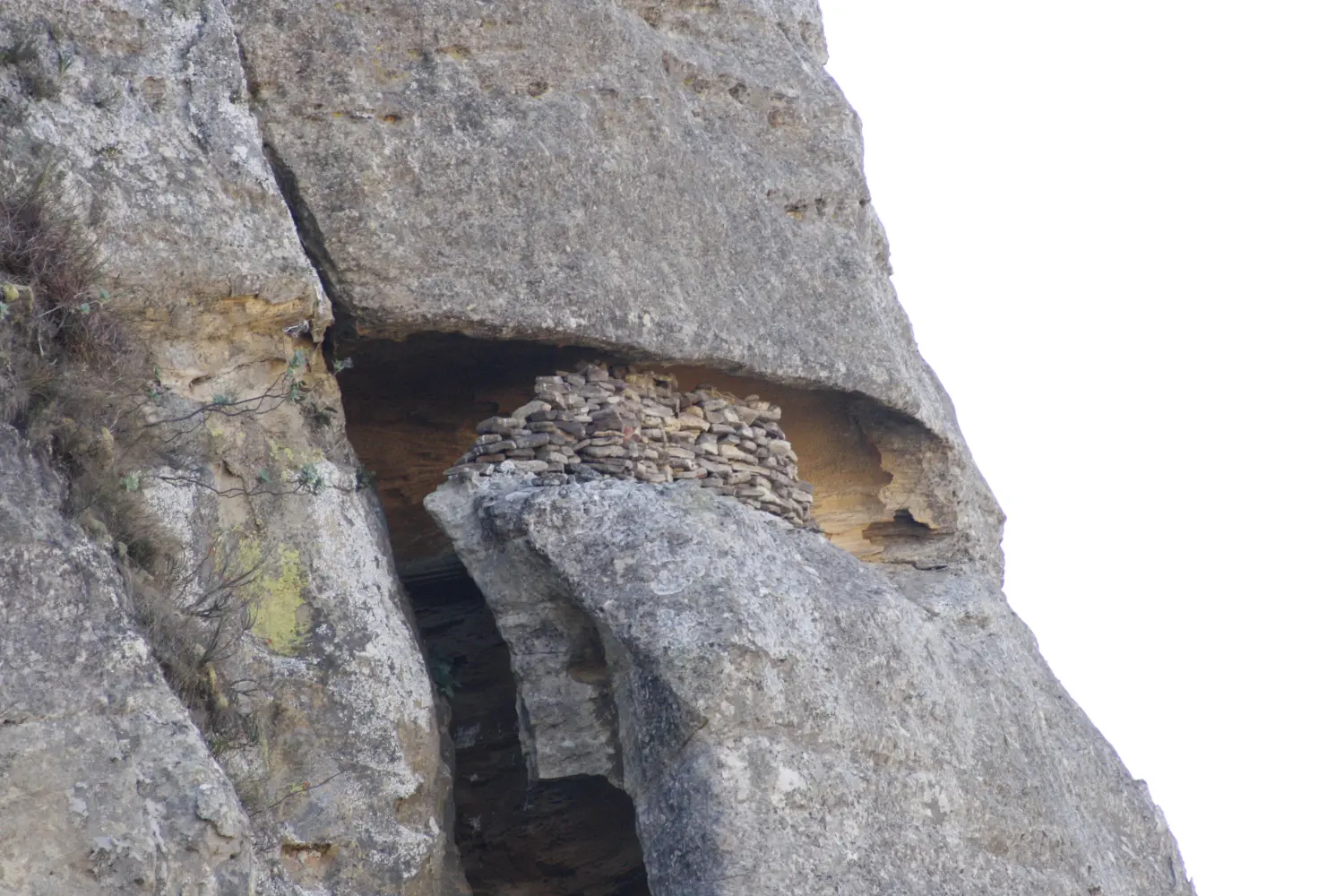
Sandstone Sculptures and Cultural Remnants, Isalo National Park is the landform of a soft white sandstone plateau formed over 240 million years ago with origins that began in the Triassic period. The winds have eroded the plateau into dramatic and beautiful ruins, quite different from the canyons in Makay. The vegetation around the plateau consists of Tapia trees and various drought-tolerant plants that thrive in the dry climate. Some commonly known Madagascar’s Lemurs live in this area: Verreaux’s Sifaka, Ring-tailed Lemur, and Red-fronted Lemur. The cultural aspect linked to this map with respect to Isalo was the remnants of the Bara funeral rites, with ancestral tombs left in the cracks of the cliffs, buried or halved into the cliff walls – an emotional kernel for the cultural aspect of the creole society’s sedentary connection to the people of this landscape.
Berenty
Where Lemurs and Antandroy Culture Meet
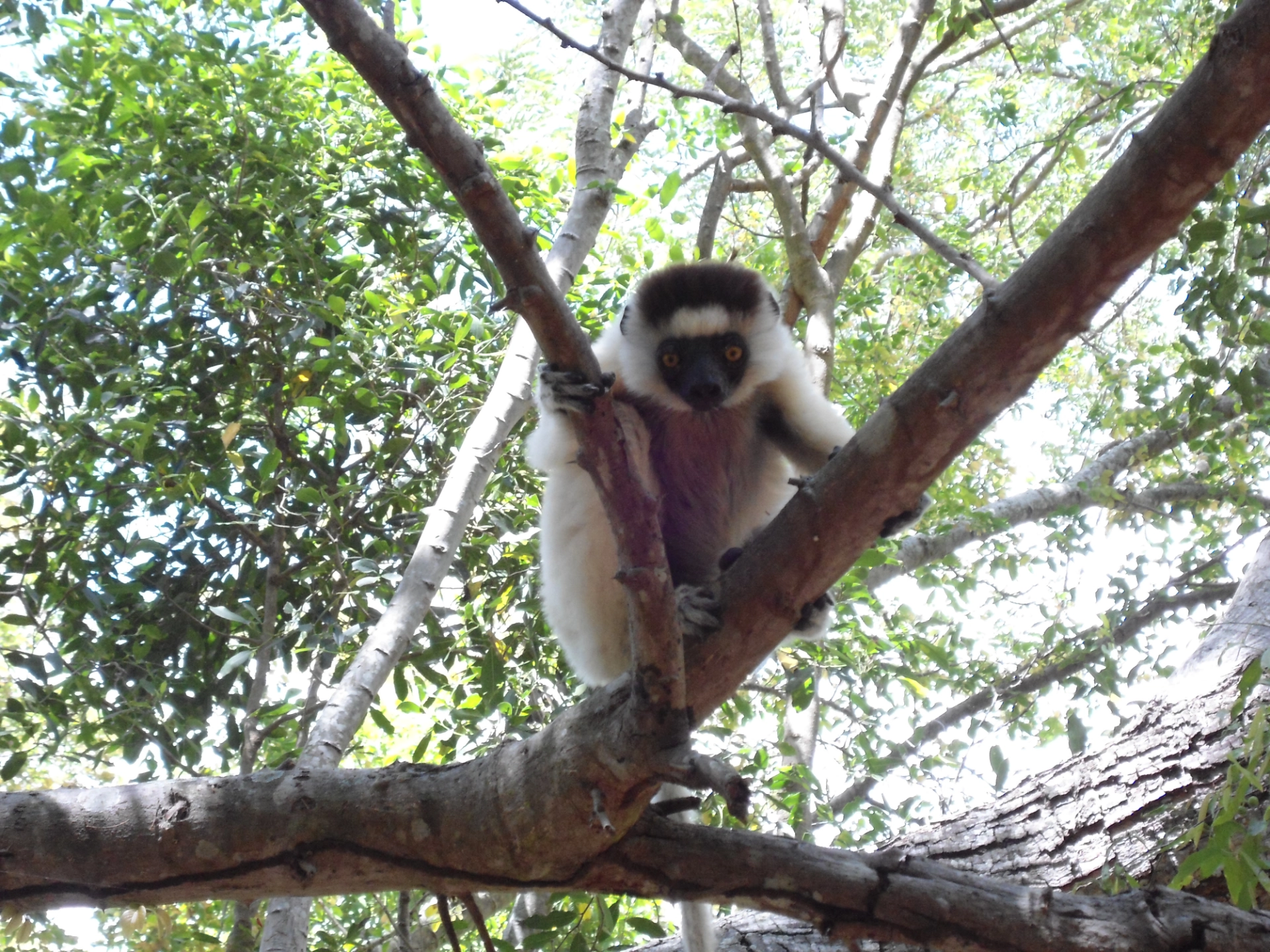
A Southern Refuge for Wildlife and Culture, Berenty is a privately owned Reserve in the far South of Madagascar, approximately 80kilometre West of Fort Dauphin. It is famous for its biodiversity, distinct ecosystem, and is a top destination to witness memorable Malagasy wildlife. You will be sure to see Ring-tailed Lemurs, as well as the charming Verreaux’s Sifaka – popularly called dancing Lemurs! The reserve also has night walks to encounter night active animals, and is therefore popular with wildlife lovers and photographers.
Read more
In addition to wildlife, Berenty is an appreciation of local people and provides an understanding of the customs of the Antandroy people and where you can have an ecological and cultural experience.
Tsimanampetsotse
A Remarkable World of Wildlife and Rare Plants
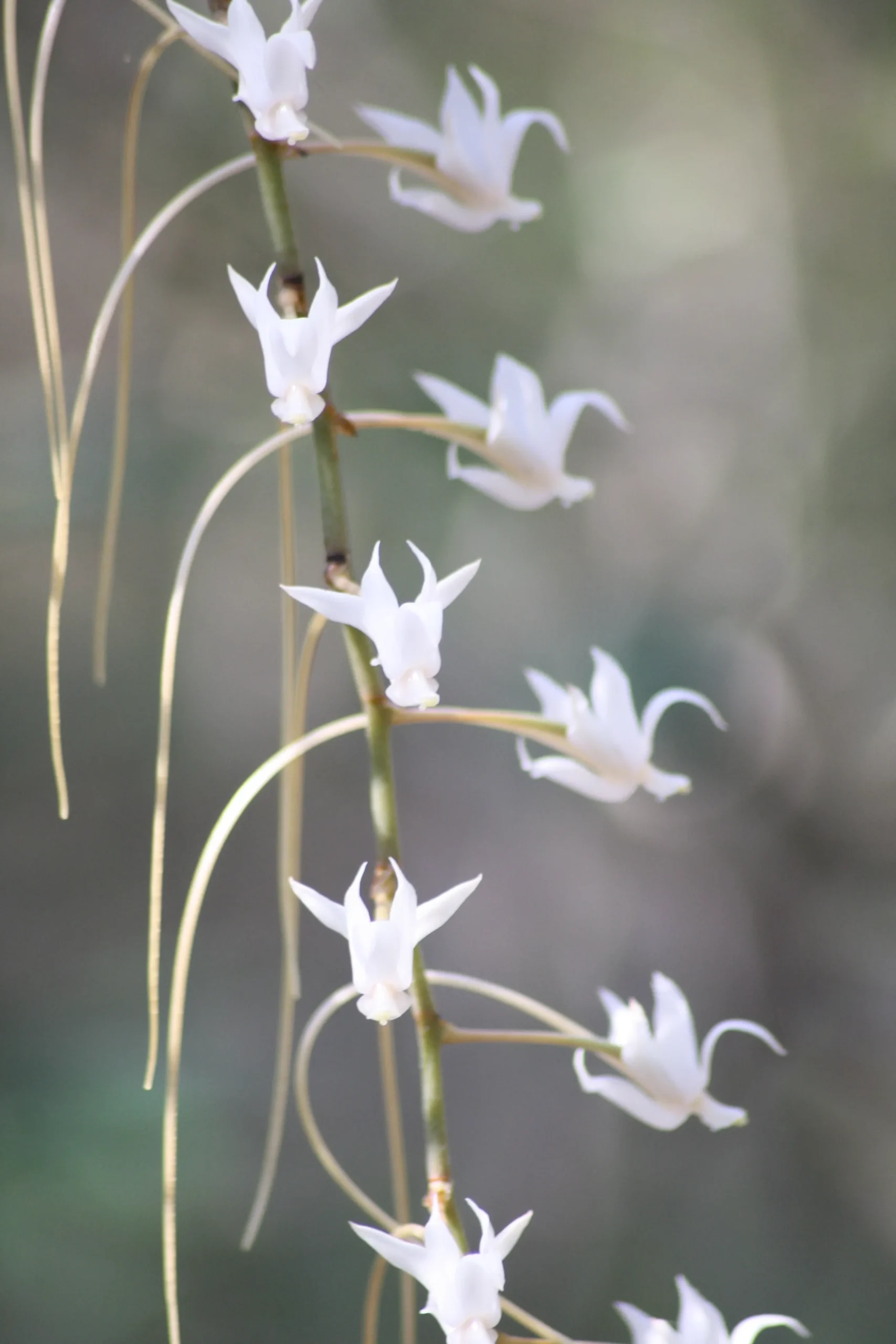
A Botanical and Wildlife rarity, Tsimanampetsotse is an unusual structure and isolated ecosystem located in the Southwest of Madagascar, where biodiversity is unique compared to the rest of the country. Vegetation in Tsimanampetsotse is consistent with its sub-arid climate and limestones, encouraging the low-growing, drought-adapted plants that have traditionally been medically related.
Read more
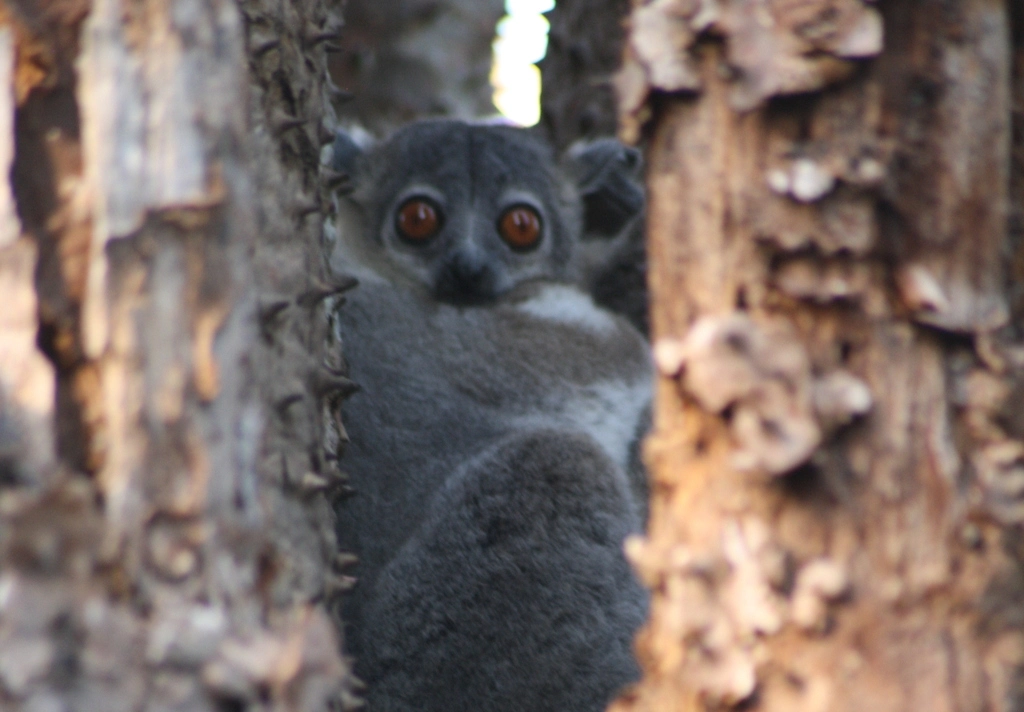
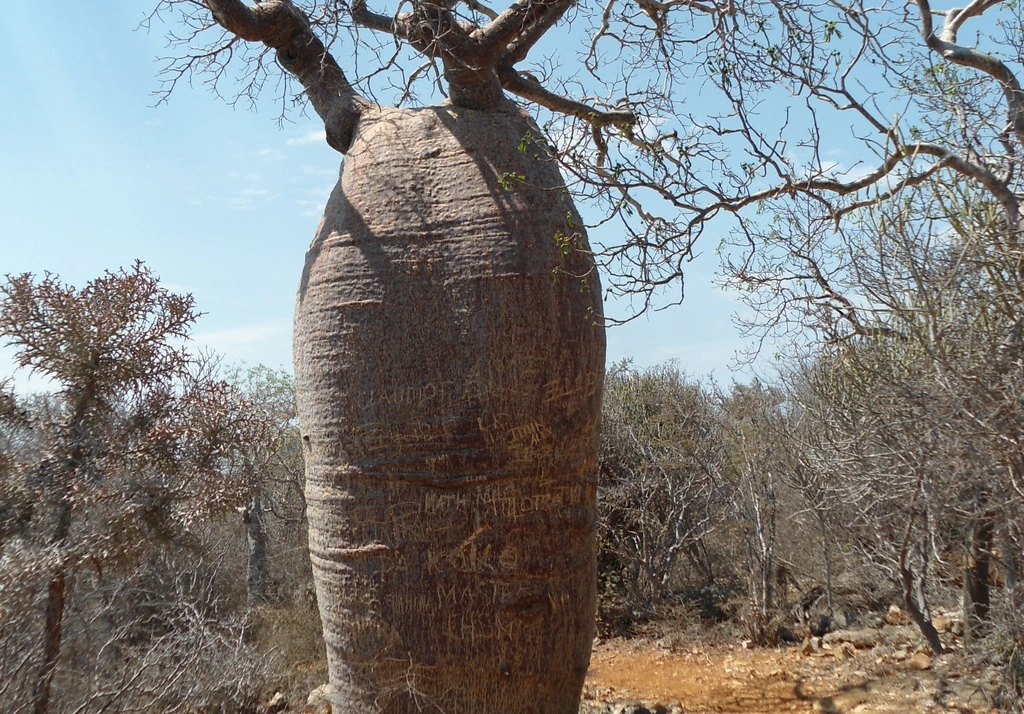
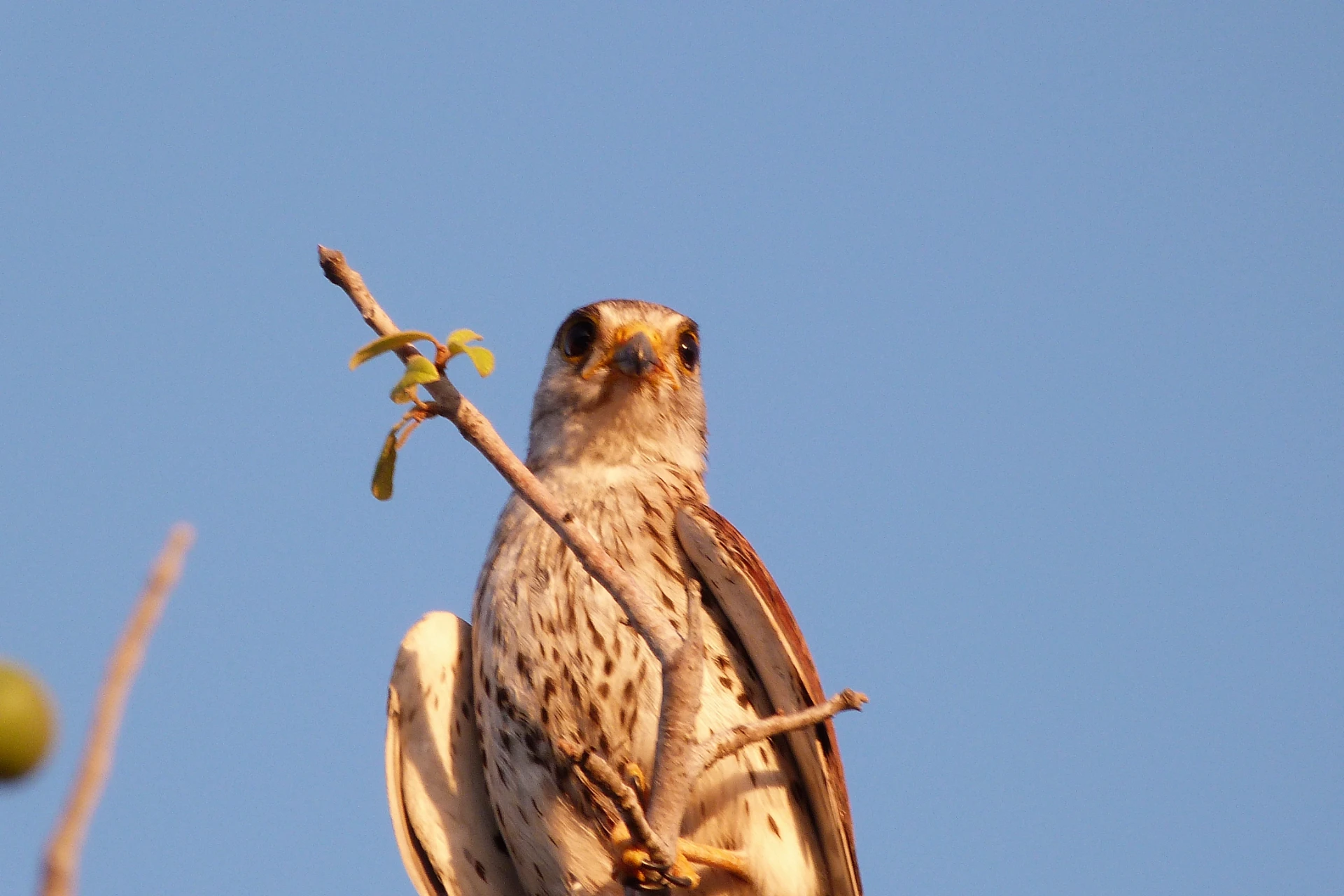
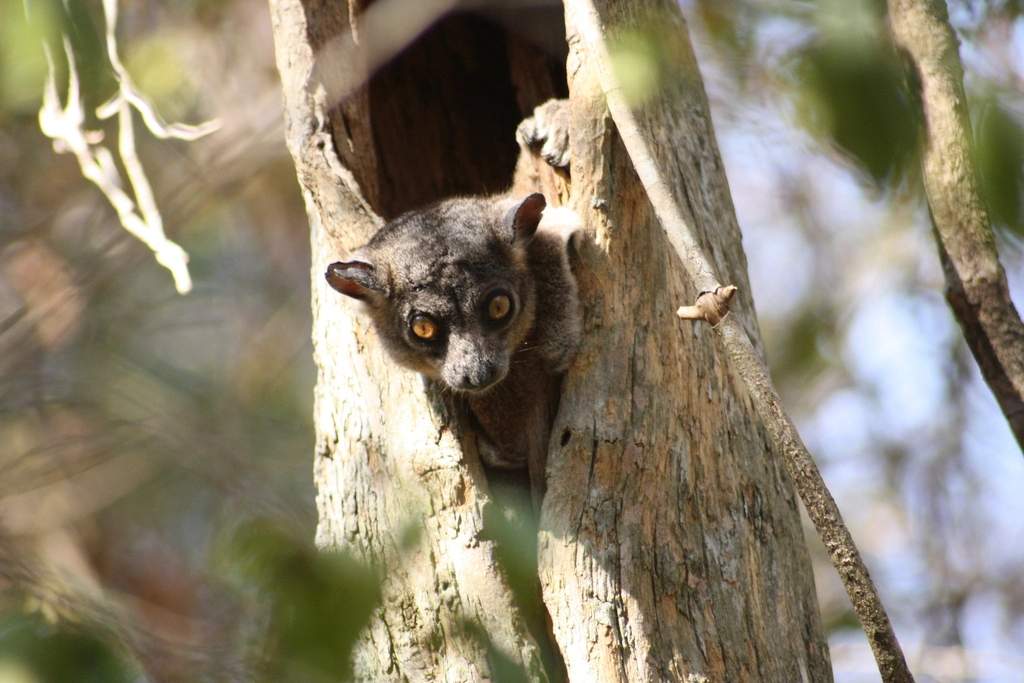
The landscape is filled with oddly shaped Baobabs, Pachypodiums, and many types of succulent plants to make the wilderness feel more like a garden. Tsimanampetsotse is also home to 4 species of Lemurs, over 124 species of Birds, and many Reptiles. One of its most interesting features is the blind cave fish-Typhleotris madagascariensis- found in Tsimanampetsotse’s underground caves.
Zombitse
A Green Oasis in Madagascar’s Dry South
The Green Surprise in the South, the Zombitse Forest appears almost out of nowhere after an hour and a half drive through the expansive savanna landscape from Isalo National Park. The Zombitse Forest is unpredictable ; an expanse of green exuberantly bursting with life it can be a challenging transition in many ways. Indeed, the road cuts directly through the park, offering a chance to observe wildlife like Lemurs and Birds at the edge of the forest.
Read more
Zombitse is the first place to encounter Baobabs as we continue moving southward. Zombitse is home to eight species of Lemurs, including the elegant Verreaux’s Sifaka and the beautiful Ring-tailed Lemur. Bird watchers will appreciate the observation of several endemic Bird species as well as Reptiles that are only found in this part of Madagascar. As a stop-over, Zombitse Forest is a required location for a short visit of one or two hours to observe the rich biodiversity and perfectly located when traveling south.
A Land Shaped by Nature, Wildlife and Culture.
Dramatic Landscapes
Canyons, dry forests and limestone plateaus shaped by nature.
Remarkable Wildlife
Meet lemurs, endemic birds, reptiles and unique southern species.
Living Traditions
Experience ancestral cultures deeply connected to southern landscapes.